Orthodontic care is often associated with straightening visibly crooked teeth, but appearance is only one part of treatment planning. Tooth position can also influence the bite, spacing, cleaning access, and the way upper and lower teeth meet.
Patients considering Orthodontic Treatment in Diva Thane may encounter several possible approaches, including conventional braces and clear aligners. Understanding what orthodontic treatment actually addresses makes it easier to evaluate these options.
What Problems Can Orthodontic Treatment Address?
An orthodontic assessment may be useful for concerns such as:
- Crowded teeth
- Gaps between teeth
- Rotated teeth
- Protruding teeth
- Certain overbite or underbite patterns
- Crossbite
- Irregular dental alignment
- Teeth that do not meet appropriately
The visible irregularity is only part of the assessment. The dentist also considers how the teeth fit together and whether sufficient space is available to move them safely.
Braces or Clear Aligners?
Both approaches move teeth gradually, but they work differently.
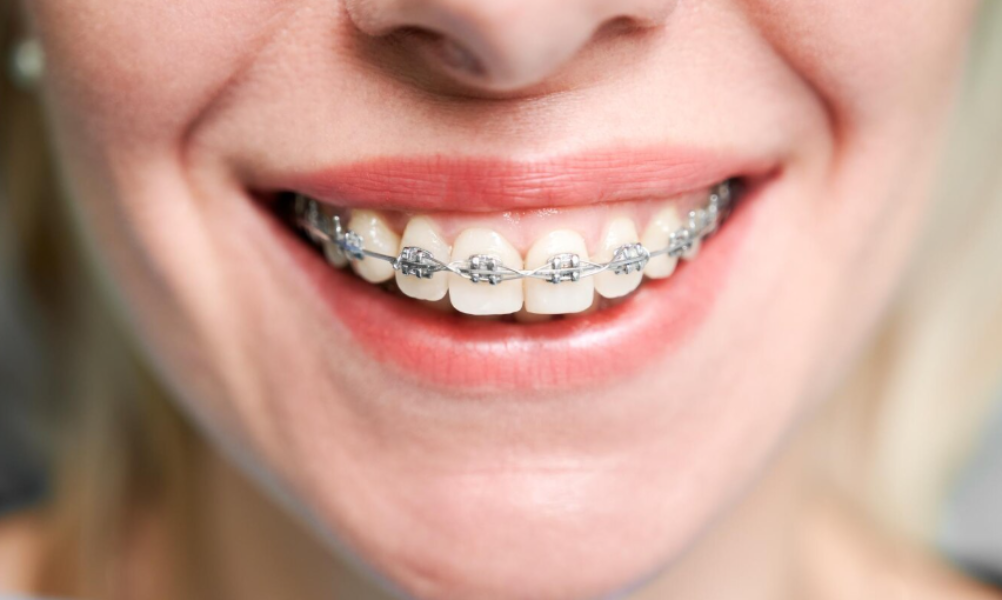
Traditional fixed braces use brackets and wires that remain attached during active treatment. They can be used for a broad range of orthodontic movements.
Clear aligners use a planned sequence of removable trays. Their less noticeable appearance and removability can appeal to adults and older teenagers, but successful treatment depends heavily on wearing them as instructed.
The better option depends on the type and complexity of tooth movement required.
What Happens Before Treatment Starts?
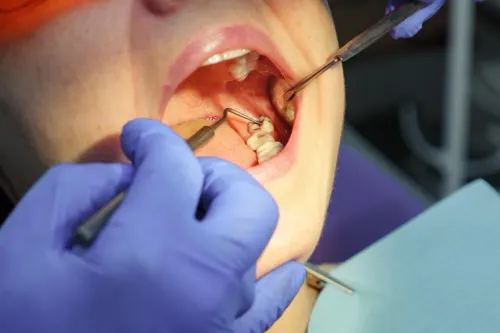
Orthodontic planning should begin with examination and diagnostic records.
These may include:
- Dental photographs
- X-rays when indicated
- Digital scans or impressions
- Bite evaluation
- Assessment of gum and tooth health
Existing cavities or gum problems may need attention before orthodontic treatment begins.
This is important because moving teeth in an unhealthy oral environment can create additional challenges.
How Long Does Orthodontic Treatment Take?
Treatment duration varies significantly.
Factors affecting the timeline include the complexity of the alignment problem, type of appliance, biological response to tooth movement, patient cooperation, missed appointments, and whether appliances are used as directed.
Therefore, a precise timeline should be based on individual assessment rather than a generic promise.
Oral Hygiene During Orthodontic Care
Fixed braces create additional areas where plaque and food can collect. Patients need to pay particular attention to brushing around brackets, wires, and the gum line.
Aligner users also need good hygiene. Wearing trays over teeth that have not been properly cleaned can create an unfavorable environment for dental health.
Regular dental care remains important during orthodontic treatment regardless of the appliance selected.
Why Retainers Matter
Finishing active treatment does not mean teeth will automatically remain in their new positions forever.
Retainers are generally used after braces or aligners to help maintain the corrected alignment. Instructions regarding retainer wear should be treated as an important part of the overall orthodontic plan.
For teenagers, adults, and families in Diva and surrounding parts of Thane, Maharashtra, Sai Dental, Implant and Orthodontic Clinic provides orthodontic assessment to determine the nature of alignment or bite concerns and discuss appropriate treatment approaches.
The most suitable orthodontic method is not necessarily the newest or least visible option. It is the approach that can address the patient's actual tooth movement and bite requirements while fitting realistically into everyday life.
Keywords