Modern dentistry generally aims to preserve natural teeth whenever they can be predictably restored. However, there are circumstances in which keeping a severely compromised tooth may not provide a useful long-term result.
For patients considering Dental Extraction in Diva Thane, the most important question is not simply whether a tooth hurts. The key question is whether the tooth can still be restored safely and functionally.
Situations Where Extraction May Be Considered
A dentist may discuss extraction when examination shows conditions such as:
- Extensive tooth decay
- Severe structural damage
- A fracture extending into an unfavorable area
- Advanced gum disease with significant loss of support
- Recurrent infection in a tooth that cannot be predictably restored
- Certain impacted teeth
- Retained or problematic tooth fragments
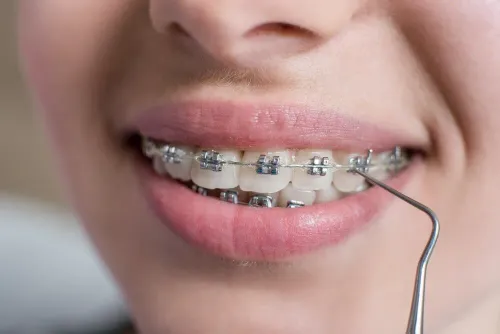
- Specific orthodontic requirements
The decision varies from patient to patient. Two teeth with similar symptoms may require different treatment depending on how much healthy tooth structure and supporting bone remain.
Can the Tooth Be Saved Instead?
This is an important question to ask before extraction.
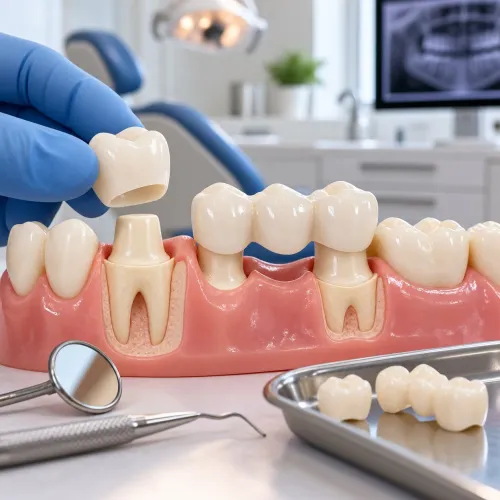
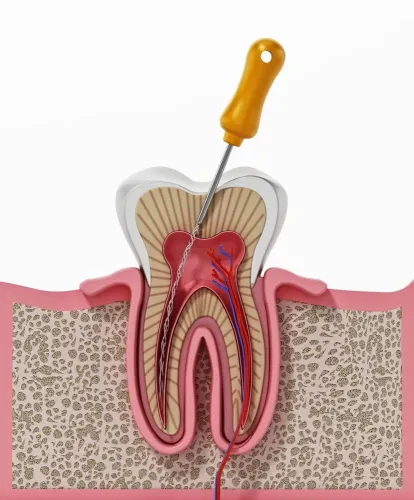
Depending on the diagnosis, alternatives may include a filling, crown, root canal treatment, periodontal treatment, or another restorative procedure.
A useful evaluation considers:
- Remaining tooth structure
- Root condition
- Bone and gum support
- Presence of infection
- Position of the tooth
- Functional importance
- Expected restorability
If preserving the tooth is realistic, the dentist can explain the available options. If the prognosis is poor, removal may be more appropriate.
What Happens During a Dental Extraction?
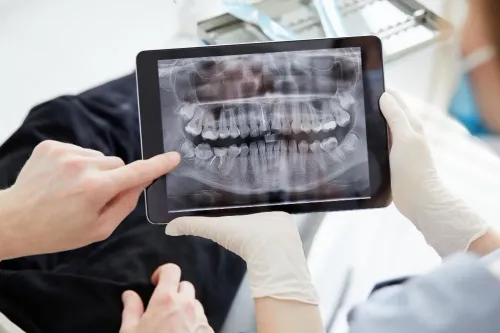
Before treatment, the dentist examines the tooth and may recommend a dental X-ray. Imaging can reveal root anatomy and surrounding structures that influence planning.
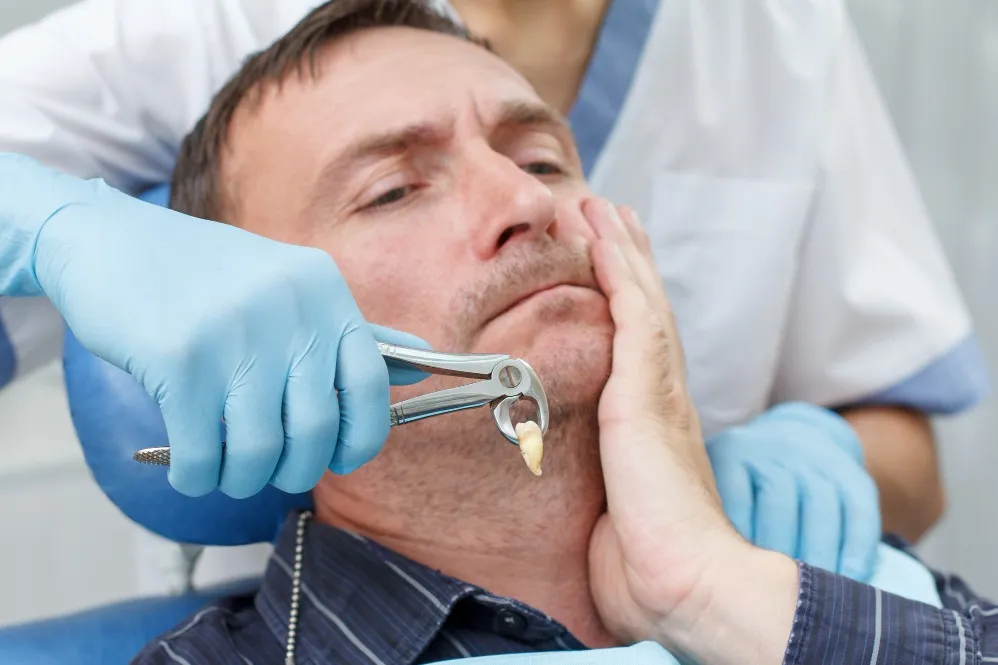
Local anaesthesia is commonly used to numb the treatment area. The exact procedure depends on the tooth's location and condition.
Some teeth can be removed relatively straightforwardly. Others may require a surgical approach, particularly when they are broken below the gum line or have complex root anatomy.
What Happens After the Tooth Is Removed?
The socket needs time to heal. Following aftercare instructions is an important part of recovery.
Patients may be advised to:
- Avoid disturbing the extraction site
- Follow dietary recommendations
- Maintain oral hygiene as directed
- Avoid habits that interfere with clot formation
- Take prescribed medication correctly
- Attend follow-up visits when recommended
Increasing pain, unusual swelling, persistent bleeding, or other concerning symptoms should be evaluated rather than ignored.
Should the Missing Tooth Be Replaced?
That depends on which tooth has been removed and how the space affects function.
When a functional tooth is lost, replacement may sometimes be considered using options such as a dental implant, bridge, or removable prosthesis.
Leaving certain spaces untreated can allow neighboring teeth to shift or change the way forces are distributed during chewing. However, replacement is not automatically required after every extraction.
At Sai Dental, Implant and Orthodontic Clinic, patients in Diva and the wider Thane region can have the tooth assessed before deciding whether extraction is necessary and, where relevant, discuss options for managing the resulting space.
A dental extraction should be based on diagnosis and restorability rather than used as an automatic response to tooth pain. Knowing why a tooth needs removal and what happens afterward makes the treatment decision much easier to understand.
Keywords