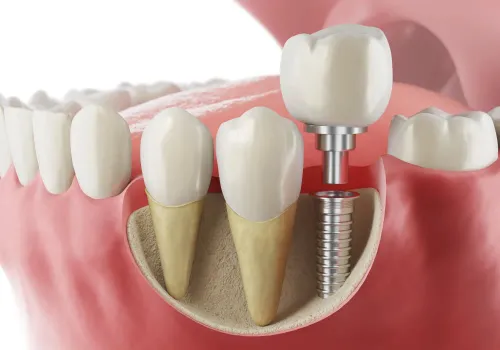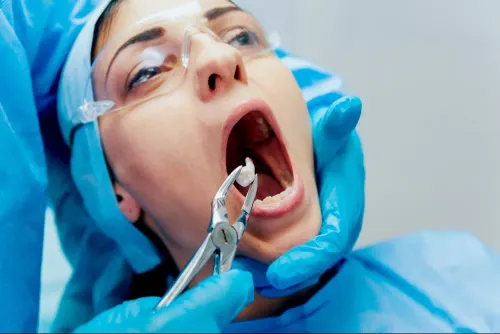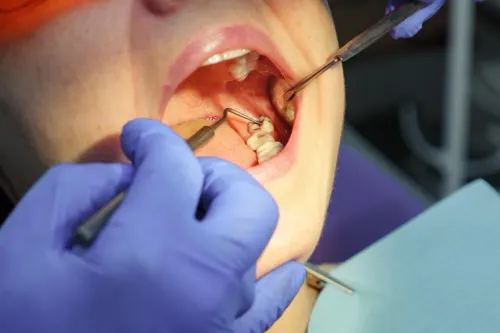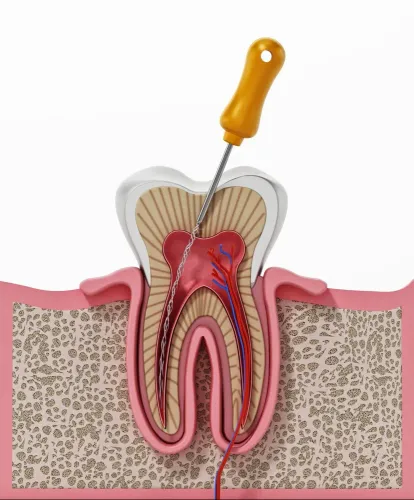
Dental implant treatment involves diagnosis, surgical planning, restorative planning, healing, and long-term maintenance. Because several stages contribute to the final outcome, selecting a Dental Implant Clinic in Diva Thane should involve evaluating the treatment process rather than focusing only on advertisements or a single quoted price.
A few practical questions can help patients make a more informed choice.
1. Is There a Proper Assessment Before Treatment?
Implant planning should begin with evaluation of the missing-tooth area and overall oral health.
The dentist may need to assess:
- Bone availability
- Gum health
- Neighboring teeth
- Bite relationship
- Available restorative space
- Oral hygiene
- Relevant medical history
Dental imaging may also be recommended depending on the clinical situation.
A treatment plan created without adequately evaluating these factors may overlook issues that influence implant placement or restoration.
2. Are Alternatives Explained?
A good consultation should not assume that an implant is the only possible treatment simply because the patient has a missing tooth.
Depending on the case, alternatives might include a dental bridge or removable prosthesis. Occasionally, maintaining the space may also be discussed where clinically appropriate.
Understanding alternatives helps patients make decisions based on their needs rather than a predetermined procedure.
3. Is the Complete Treatment Sequence Clear?
Ask what the proposed treatment actually includes.
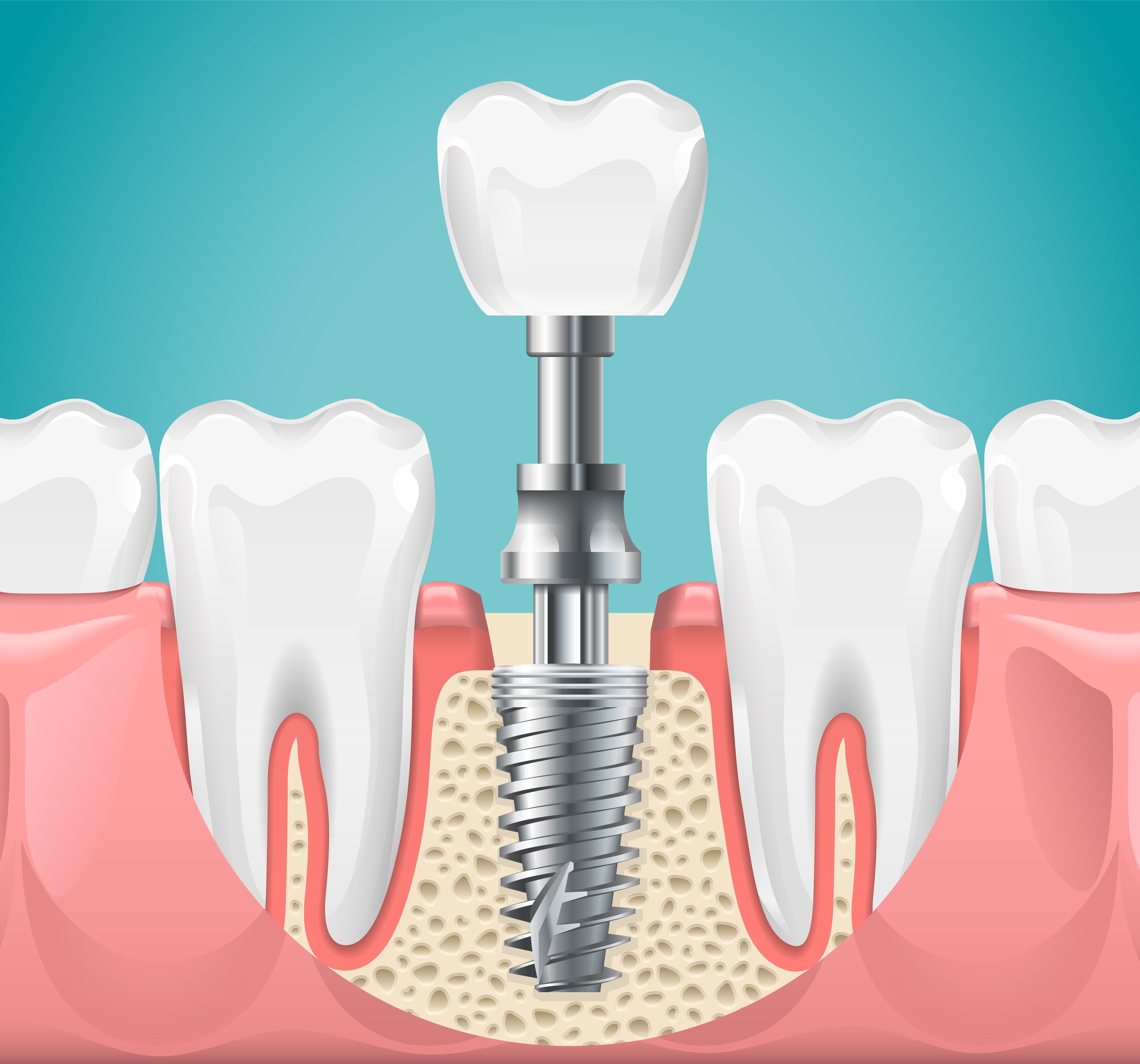
Implant care can involve several stages:
- Initial evaluation
- Imaging
- Site preparation where necessary
- Implant placement
- Healing
- Restorative procedures
- Final prosthetic tooth
- Maintenance
Not every patient requires exactly the same sequence.
Knowing the anticipated stages helps prevent confusion later.
4. Are Costs Explained in Context?
Price matters, but an implant quotation is meaningful only when you know what it covers.
Patients can ask whether the estimate includes diagnostic procedures, implant placement, restorative components, the final prosthesis, and other procedures that may be required.
A very low headline figure cannot be properly evaluated without understanding its scope.
5. What Happens After the Implant Is Restored?
Dental implants still need ongoing care.
The surrounding gums should be kept clean, and periodic dental assessment can help monitor the implant restoration and the rest of the mouth.
Patients should receive practical guidance on home hygiene and follow-up.
6. Are Your Questions Answered Clearly?
Technical terminology should not prevent you from understanding your own treatment.
Before proceeding, you should be able to explain in simple terms:
- Why the implant is being recommended
- What the procedure involves
- What alternatives exist
- How long the process may take
- What maintenance will be required
For local residents, choosing care in Diva can also make multiple appointments and follow-up visits easier to manage compared with repeatedly travelling long distances across Thane or Mumbai.
At Sai Dental, Implant and Orthodontic Clinic, implant evaluation can include assessment of the missing-tooth site, surrounding oral structures, and restorative requirements before treatment planning.
Choosing implant care is ultimately about understanding the entire pathway from diagnosis to maintenance. A clinic that provides clear assessment, realistic treatment planning, understandable explanations, and appropriate follow-up gives patients a stronger basis for making a considered decision.
Keywords