Being told that a tooth may need removal often raises immediate questions: Is extraction really necessary? Will an X-ray be required? What happens afterward? Should the missing tooth eventually be replaced?
Choosing a Tooth Removal Dentist in Diva Thane should therefore involve more than finding somewhere to have a painful tooth extracted. A proper assessment should establish why the tooth is causing trouble and whether removal is the most appropriate treatment.
Start With the Diagnosis
Toothache alone does not automatically mean a tooth needs to be removed.
Pain can result from decay, pulp inflammation, infection, gum disease, cracks, impacted wisdom teeth, or other dental conditions. Some of these problems can potentially be treated while retaining the tooth.
Before agreeing to extraction, patients should understand:
- What is wrong with the tooth?
- Can it reasonably be restored?
- What are the alternatives?
- What could happen if treatment is delayed?
- Will the missing tooth need replacement?
Clear answers make informed decision-making easier.
Check Whether Dental Imaging Is Needed
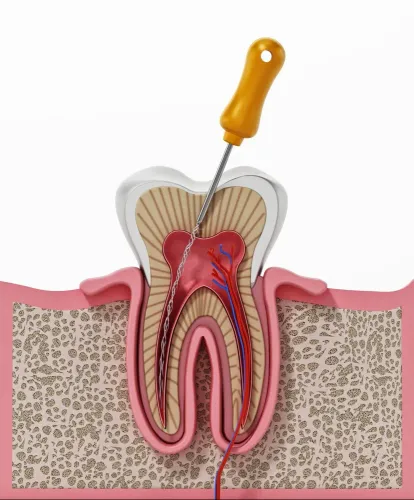
The visible crown is only part of the tooth. Roots extend beneath the gums and are surrounded by bone and other anatomical structures.
An X-ray can help the dentist evaluate factors such as root number, root shape, infection, bone condition, and the position of neighboring teeth.
Imaging can be particularly useful when a tooth is broken, impacted, previously treated, or difficult to assess clinically.
Understand the Type of Extraction
Not all tooth removals are identical.
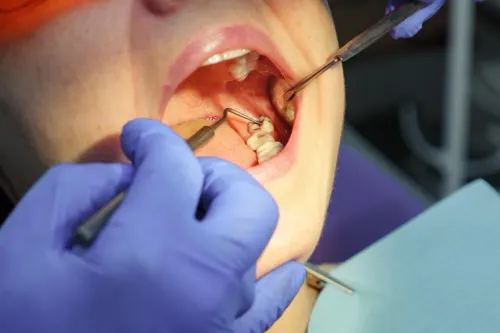
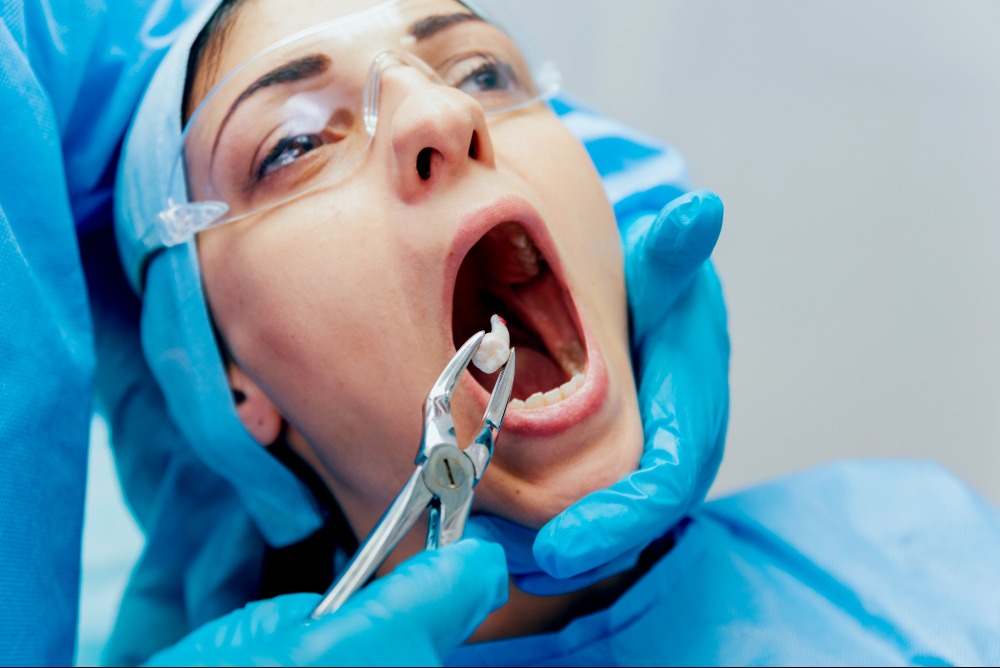
A tooth that is fully visible and accessible may require a straightforward extraction. A tooth that has fractured below the gum or remains impacted may need a surgical approach.
Ask the dentist what type of procedure is expected and why.
This gives you a more realistic understanding of treatment and recovery.
Discuss Your Medical and Medication History
Dental treatment does not happen in isolation from general health.
Before extraction, patients should provide accurate information about existing medical conditions, allergies, medications, previous procedures, and other relevant health details.
Do not discontinue prescribed medication independently simply because dental treatment is planned. The dental team can determine whether additional considerations are necessary based on individual circumstances.
Ask About Aftercare Before Leaving
Good post-extraction care helps protect the healing socket.
Instructions may cover:
- How to manage the extraction area
- When to eat
- Suitable foods during early recovery
- Oral hygiene
- Physical activity
- Medication use when prescribed
- Symptoms that require follow-up
Knowing these instructions beforehand can make recovery easier to manage at home.
Plan for the Space When Necessary
If a functional permanent tooth is being removed, ask whether leaving the space untreated could affect chewing, appearance, or neighboring teeth.
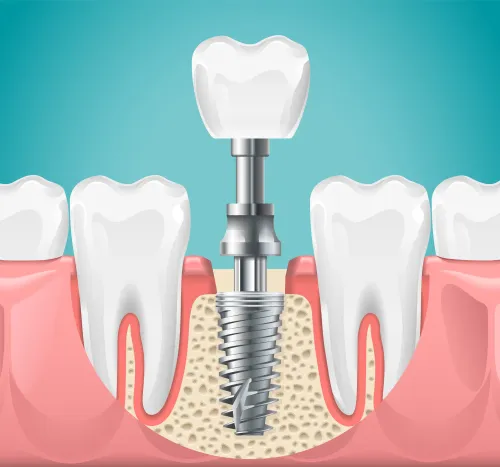
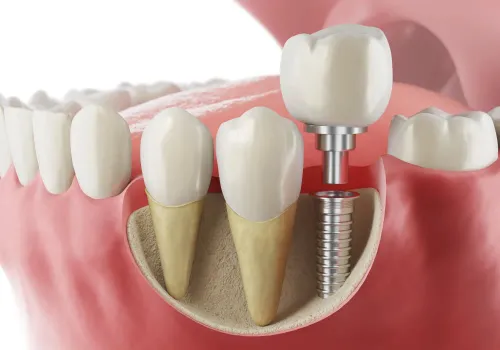
Possible replacement options may include an implant, bridge, or removable prosthesis depending on the patient's oral condition.
For families and adults living in Diva, Thane, choosing a nearby dental provider also makes follow-up more convenient if the extraction requires reassessment.
Sai Dental, Implant and Orthodontic Clinic provides dental assessment and extraction planning based on the condition of the tooth and surrounding tissues.
A reliable tooth-removal decision begins before the procedure itself. Diagnosis, imaging where indicated, discussion of alternatives, medical-history review, and clear aftercare instructions are all useful indicators of thoughtful dental care.
Keywords