Wisdom teeth usually emerge in the late teenage years or early adulthood. Some grow normally and never create difficulty, while others remain partially erupted, become trapped beneath the gums, or grow at an angle because there is insufficient space.
Understanding when Wisdom Tooth Removal in Diva Thane may be appropriate can help patients distinguish between a wisdom tooth that simply needs monitoring and one that is contributing to recurring dental problems.
Why Do Wisdom Teeth Cause Problems?
Wisdom teeth are the last permanent teeth to develop. By the time they emerge, there may be limited room at the back of the jaw.
An impacted or partially erupted wisdom tooth may contribute to:
- Pain at the back of the jaw
- Swelling around the gums
- Food getting trapped behind the second molar
- Difficulty cleaning the area
- Recurrent gum inflammation
- Tooth decay
- Bad taste or unpleasant breath
- Pressure or discomfort while chewing
A partially erupted wisdom tooth can be particularly difficult to keep clean because a flap of gum tissue may remain around part of the tooth.
Does Every Wisdom Tooth Need Removal?
No. A wisdom tooth that is healthy, properly positioned, fully erupted, functional, and easy to clean may simply be monitored.
Removal is generally considered after assessing factors such as position, symptoms, decay, gum health, neighboring teeth, and findings on dental imaging.
This distinction is important because preventive dental care should be based on individual findings rather than the assumption that every third molar must automatically be extracted.
What Happens Before Wisdom Tooth Removal?
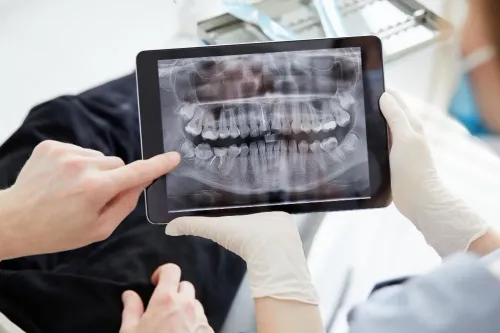
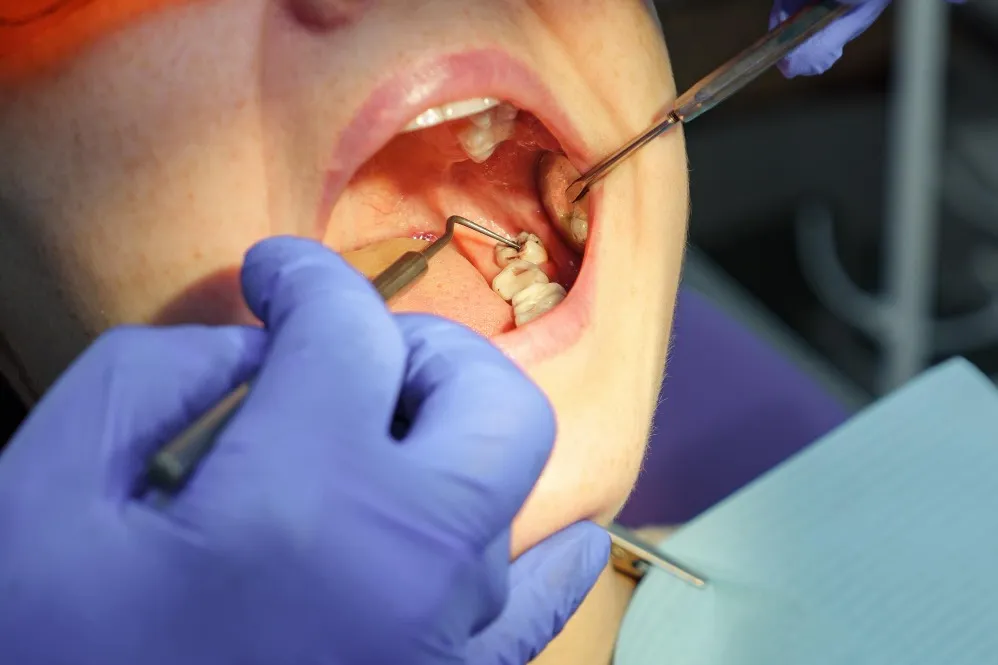
A dentist first examines the mouth and reviews the position of the tooth. Dental imaging helps show information that cannot be determined from the visible portion alone, including root shape and the relationship of the wisdom tooth to surrounding structures.
The procedure required depends on whether the tooth has:
- Fully erupted
- Partially erupted
- Remained completely beneath the gum
- Become impacted against another tooth
A straightforward erupted tooth may be removed differently from a deeply impacted wisdom tooth.
What Is Recovery Like?
After removal, patients receive instructions designed to protect the healing area. These may include recommendations about food, oral hygiene, physical activity, and medications when prescribed.
During the early healing period, it is generally important not to disturb the extraction site unnecessarily. Patients should also follow instructions regarding brushing and cleaning around the area.
Swelling and temporary discomfort can vary depending on the complexity of the procedure.
Certain symptoms after extraction may require reassessment, particularly increasing swelling, persistent bleeding, worsening pain, fever, or other unexpected changes.
Why Timing Can Matter
Waiting until a wisdom tooth causes severe pain is not always ideal. A tooth may develop decay, gum inflammation, or problems affecting the adjacent molar before symptoms become significant.
Conversely, removal should not be recommended solely because a wisdom tooth exists.
For patients in Diva, Thane and nearby Maharashtra communities, a clinical examination combined with appropriate imaging provides a more reliable basis for deciding whether monitoring or removal makes sense.
Sai Dental, Implant and Orthodontic Clinic assesses wisdom teeth according to their position, surrounding tissues, symptoms, and long-term maintainability.
If discomfort repeatedly develops behind the last molar, food constantly becomes trapped there, or the gum around a wisdom tooth keeps swelling, a dental assessment can identify the underlying cause and clarify whether removal is appropriate.
Keywords