A chipped tooth needs more than a quick cosmetic patch when pain, bleeding, swelling, displacement, or a visible pink spot is present. You will learn what to do immediately, when to seek same-day care, how a dentist decides whether composite is suitable, and what to expect from the repair.
Key takeaways
- Rinse gently, save the fragment in milk or saliva, and avoid chewing on the damaged side.
- A composite filling suits small chips with a stable tooth and no exposed pulp.
- Ask about bonding, X-rays, bite adjustment, and how long the repair should last.
- Choose a crown or root canal assessment when the break reaches deep inside the tooth.
What to do immediately after chipping a tooth
Rinse the tooth gently with clean water. If you find the broken fragment, place it in milk or saliva without scrubbing it, and bring it to the dentist. Cover a sharp edge with orthodontic wax or sugar-free chewing gum, avoid chewing on that side, and skip hot, cold, or sugary foods that trigger sensitivity.
Do not glue the fragment back, and never place aspirin directly on the tooth or gum. An urgent cosmetic filling for chipped tooth in diva depends on the injury beneath the visible defect, not appearance alone.
| Situation | What to do | Level of care |
|---|---|---|
| Pain, sensitivity, bleeding, swelling, loose tooth, sharp break, or pink/red spot | Protect the area and arrange examination | Same-day dental care |
| Uncontrolled bleeding, severe pain, facial swelling, fever, breathing or swallowing difficulty, displaced tooth, or jaw injury | Seek emergency medical or dental care | Do not wait for a routine appointment |
| Knocked-out permanent tooth | Handle it by the crown, keep it moist in milk or saliva, and take it immediately for care | Faster action than a small enamel chip |
A loose or displaced tooth can involve supporting tissues even when the crown looks intact. If bleeding will not stop, apply gentle pressure with clean gauze while arranging care. A knocked-out permanent tooth has the shortest window for useful treatment, so do not let it dry.
How a dentist decides whether a chipped tooth filling will work
A filling is appropriate only when examination shows enough healthy tooth remains and the pulp is not exposed. The dentist identifies whether the break stays in enamel, reaches dentin, extends below the gum, exposes the pulp, or involves the root.
| Finding | What the dentist checks | Likely direction |
|---|---|---|
| Small enamel chip | Stable tooth, normal bite, no crack or pulp symptoms | Tooth-coloured composite |
| Shallow incisal-edge defect | Sound tooth around the break and manageable sensitivity | Composite repair |
| Large missing cusp | Weak remaining walls or a large old restoration | Onlay or crown assessment |
| Crack toward or below the gum | Fracture depth and whether the root is involved | Different restorative or surgical treatment |
| Pulp-exposing fracture | Pain, sensitivity, and visible pink or red tissue | Root-canal treatment before final restoration |
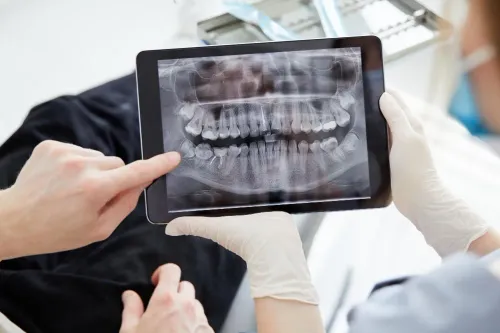
The dentist checks your bite, compares the damaged tooth with the opposing teeth, tests sensitivity, looks for cracks, and assesses tooth movement. An X-ray may be needed when the injury is deep, painful, displaced, swollen, or difficult to assess visually. A photograph cannot establish this diagnosis.
Ask what caused the chip because the cause changes both the repair and prevention plan:
- Impact or another injury
- Tooth decay
- An old restoration
- Biting a hard object
- Grinding or clenching
Treating decay or adjusting a damaging bite can determine whether the repair lasts. This assessment decides whether a chipped tooth filling in Diva is suitable.
What happens during an urgent cosmetic composite repair
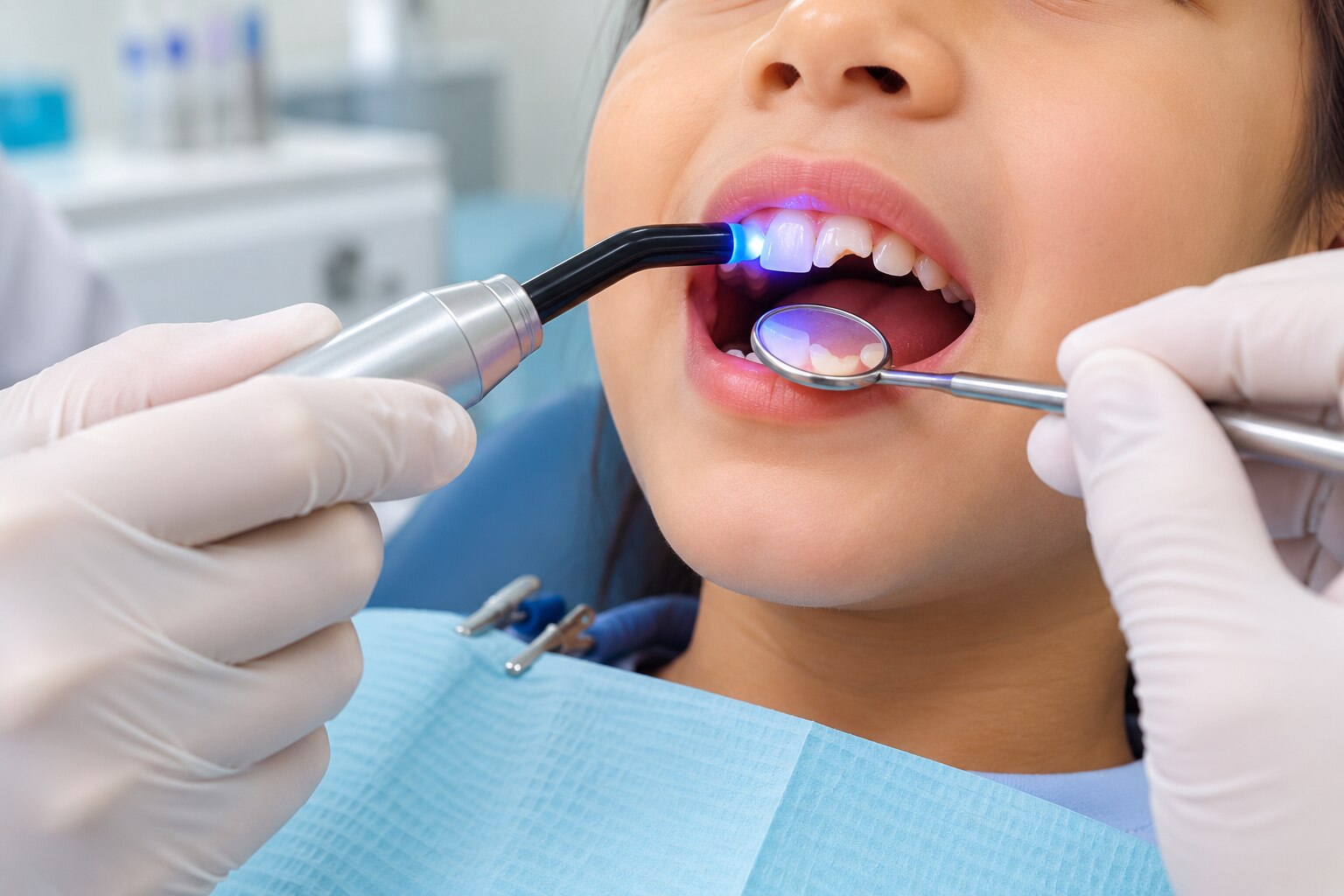
Most small chips can be repaired in one visit with tooth-coloured composite. For a tooth filling for broken tooth damage, the dentist cleans and dries the surface, matches a shade, lightly roughens and conditions the enamel, then applies bonding resin.
| Repair scope | What happens | What can extend it |
|---|---|---|
| Small enamel chip | Composite is layered onto the missing area, shaped, cured with a light, and polished | Usually one visit |
| Deeper or complex break | The dentist may take X-rays, manage difficult moisture control, treat decay, or assess additional damage | Longer appointment |
| Front-edge repair | The dentist compares opposing teeth, checks your bite, and removes heavy or premature contact | Prevents tenderness or early failure |
Each composite layer is hardened before the next is added, so the dentist can rebuild the contour accurately. The final bite check matters: a high spot on a front tooth can overload the fresh repair when you close or bite.
You can usually eat when the procedure is complete. If local anaesthetic has left your lip or cheek numb, follow the dentist’s instructions and wait until normal feeling returns so you do not bite yourself. Until then, avoid hard foods and objects.
Do not test the repair with ice, pens, fingernails, or hard sweets; composite can chip or debond before you have even left the chair.
When a filling is the wrong choice for a broken tooth
Composite is the wrong choice when the broken tooth needs structural protection rather than surface replacement. A large missing cusp, vertical crack, fracture reaching the gum, or too little sound tooth left can make a simple repair fail under chewing pressure.
Choose a different plan when you have:
- Repeated breakage of the same tooth
- A large old filling that has weakened the remaining walls
- Severe clenching or grinding
- A fracture extending below the gum
- Decay or a crack that leaves insufficient healthy tooth to bond to
| Option | What it provides | When it applies |
|---|---|---|
| Composite | Conservative repair with little or no healthy tooth removal | Small chips, sound surrounding enamel, and no pulp exposure |
| Onlay | Covers and protects one or more weakened cusps | A large cusp is missing but enough tooth remains for coverage |
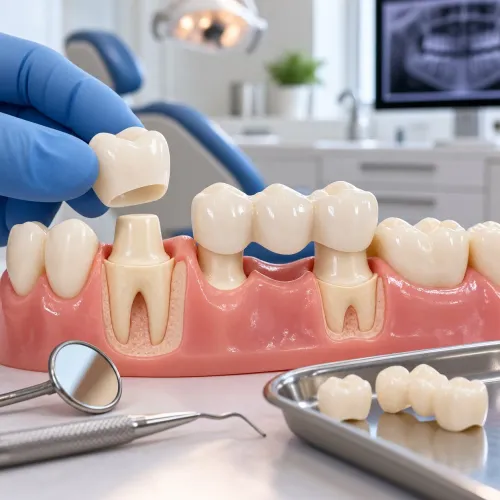
| Crown | Covers the entire visible tooth | Extensive structural loss or a large old restoration |
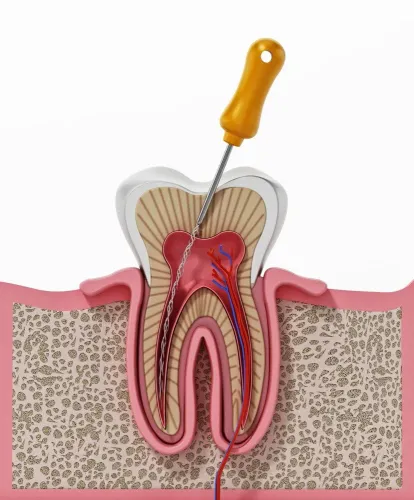
| Root-canal treatment | Removes infected or irreversibly damaged pulp | The fracture exposes or infects the pulp, before final restoration |
Composite can often be placed in one visit, but a large or biting-edge repair can stain, wear, chip, or debond sooner. Moisture control during bonding, your bite, grinding, oral hygiene, nail biting, and chewing ice all affect its life. Ask whether polishing, bite adjustment, or replacement is likely.
Increasing pain, lingering hot or cold sensitivity, darkening, swelling, or a gum boil after treatment requires reassessment because pulp damage can appear later.
How to arrange the right chipped-tooth appointment in Diva
Book an assessment, not a photo-only cosmetic slot, when choosing a cosmetic filling dentist near Diva. Tell the clinic:
- When the chip happened and whether an impact caused it
- Whether you saved the fragment
- Whether you have pain, bleeding, swelling, tooth mobility, or sensitivity
- Whether you grind your teeth or have a previous restoration there
Ask whether the visit includes an examination, bite check, sensitivity testing, and an X-ray when the injury is deep, painful, displaced, or difficult to assess visually. A photograph cannot show whether the break reaches dentin, pulp, gum level, or root.
| Treatment | What it usually means | When it applies |
|---|---|---|
| Composite | Tooth-coloured repair built and cured on the tooth | Small enamel or shallow dentin chip with enough sound tooth |
| Onlay | Partial coverage protecting a weakened chewing surface | Large cusp loss or a tooth weakened by an old restoration |
| Crown | Full coverage around the remaining tooth | Extensive fracture or insufficient tooth structure |
Confirm that the dentist will explain these choices and what happens if the pulp or root is involved. Sai Dental, Implant And Orthodontic clinic in Diva can be considered when you need the chip’s appearance assessed alongside its structural cause.
Bring the fragment and your medicine list. Seek emergency care for a displaced tooth, uncontrolled bleeding, breathing or swallowing difficulty, or suspected jaw injury.
Related service
Cosmetics Restoration / Fillings Cosmetics Restoration / Fillings Cosmetics restoration or fillings refer to dental procedures aimed at repairing and restoring the appearance and functionality of teeth that have... View service → |
Frequently asked questions
What should I do immediately after chipping a tooth?
Rinse with clean water, save the fragment in milk or saliva, cover sharp edges, and avoid chewing on that side. Seek dental assessment promptly.
When will a chipped tooth filling work?
A dentist may recommend composite filling when the chip is small, the remaining tooth is strong, and there is no deep crack or exposed pulp.
What happens during an urgent cosmetic composite repair?
The dentist examines the tooth, checks your bite, cleans and prepares the surface, bonds tooth-coloured composite, shapes it, hardens it with a curing light, and polishes it.
When is a filling the wrong choice for a broken tooth?
A filling is unsuitable when the tooth has a deep crack, extensive structural loss, exposed or infected pulp, or insufficient sound enamel to support the repair.
How do I arrange a chipped-tooth appointment in Diva?
Tell the clinic when the injury happened, whether you have pain or sensitivity, and whether you saved the fragment. Ask for an urgent examination and whether an X-ray is needed.
Keywords