A full-time job, customer-facing role, travel schedule or shift pattern does not automatically rule out fixed braces. By weighing your dental health, appointment availability, workplace demands and appliance choices, you can decide whether treatment fits your life before committing.
Key takeaways
- Treat gum disease and decay before starting fixed braces.
- Plan adjustment visits around work; appointments are usually brief but regular.
- Expect temporary soreness, speech changes and food restrictions after fitting.
- Wear retainers as directed after braces to prevent teeth from shifting.
Can your teeth and gums safely undergo fixed braces as an adult?
Yes. Adults can safely have fixed braces when their teeth, gums and supporting bone can tolerate controlled movement. Age alone does not rule out treatment, but untreated dental disease can make braces unsafe.
Before recommending fixed orthodontic treatment adults in Diva, an orthodontist will usually:
1. Examine your gums for bleeding, pockets, recession and signs of periodontitis. Reduced bone support or previous gum disease increases the risk of further recession, so you may need periodontal treatment and closer monitoring first.
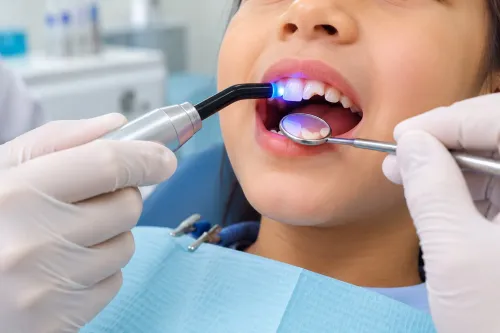
2. Check every tooth for decay, leaking fillings, cracks, defective crowns and excessive wear. Braces do not cure decay, and moving teeth through active infection can worsen the problem.
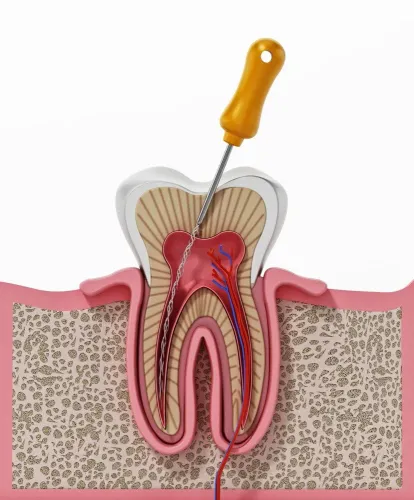
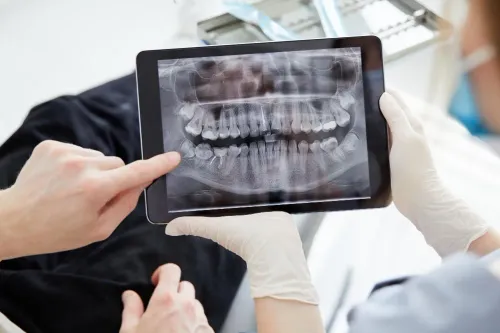
3. Take appropriate dental X-rays and records to assess roots, bone levels, impacted teeth, missing teeth and the position of developing or hidden teeth. The examination also includes your bite, jaw alignment and any jaw-joint pain, clicking or restricted opening.
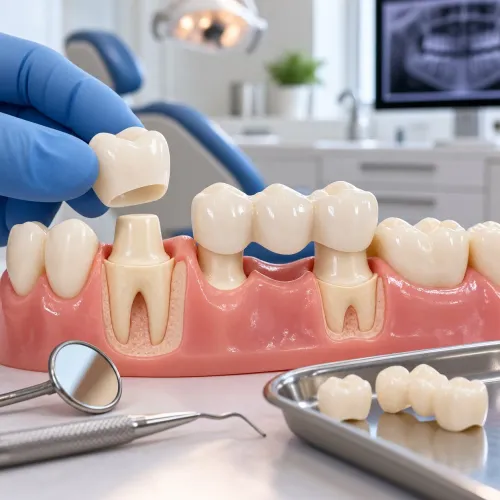
4. Review crowns, bridges and planned implants before treatment begins. Braces can position teeth around a future restoration, but an implant cannot move; your orthodontic and restorative plans must agree before irreversible work.
The orthodontist will also assess whether you can brush carefully around brackets and attend adjustment appointments. Ask how often visits are expected, what happens after a missed appointment, and whether your work schedule supports them. Poor hygiene or repeated missed visits can prolong treatment and damage gums or enamel.
How much time will treatment take from your working schedule?
Block out the initial consultation, records and X-rays, brace fitting, regular adjustment visits and later retainer checks before you begin. The chair time is only part of the commitment: missed adjustments or emergency repairs can extend treatment and create extra disruption.
1. Ask for the full appointment sequence. It usually includes an examination, photographs, dental impressions or digital scans, radiographs, fitting, and adjustment visits roughly every 4–10 weeks. The interval changes with the appliance and treatment stage.
2. Match visits to your working pattern. Book early-morning, late-afternoon or Saturday slots if available, and avoid starting just before a major presentation, travel period or busy project. Keep time available for a loose bracket, protruding wire or other repair that cannot wait until the next routine visit.
3. Resolve restorative work before fitting. Missing teeth, crowns, worn teeth, defective fillings or a planned implant can change the orthodontic sequence. Braces can position teeth around a planned restoration, but they cannot move an implant or replace a missing tooth.
Ask how often retention appointments will occur after removal and what follow-up is included. Retainers need long-term, often lifelong, use; replacement costs and repair visits belong in your schedule and budget. This planning is central to orthodontic treatment for working adults in Diva, especially with shift work or frequent travel.
What will fixed braces feel like at work?
Expect pressure and tenderness for several days after fitting and after adjustments, especially when biting. Brackets can rub your cheeks or lips; orthodontic wax and a clinician’s adjustment can protect sore areas. Persistent cuts, a loose bracket or a wire that repeatedly punctures your cheek needs repair, not endurance.
Speech can sound slightly different while your tongue adapts, and hard or sticky foods can make eating awkward at first. Before a presentation, choose softer foods and practise speaking aloud; most people adapt as the appliance becomes familiar. Keep these workday habits:
- Use orthodontic wax over a sharp bracket or wire.
- Choose yoghurt, eggs, rice or other soft foods when teeth are tender.
- Avoid hard nuts, popcorn, chewing gum and sticky sweets, which can break brackets.
- Carry a travel toothbrush, fluoride toothpaste, interdental brushes and floss threaders.
- Brush around every bracket after meals when possible; plaque left there can cause gingivitis, cavities and white-spot lesions.
For customer-facing roles, schedule fitting and adjustments before a quieter work period, and keep wax and a small mirror in your bag. Rinse with water after meals when brushing is impossible. Braces for professionals in Diva can work with full-time jobs, travel and shifts, but missed repairs or adjustment visits can extend treatment.
Tell your orthodontist about presentations, uniform rules and travel before appointments are booked.
Which appliance best suits a professional image and your bite?
For a professional image and a demanding bite, choose the appliance by movement required first, then weigh visibility, durability and your ability to follow the plan.
| Option | Appearance | Durability and compliance | Complex tooth movement |
|---|---|---|---|
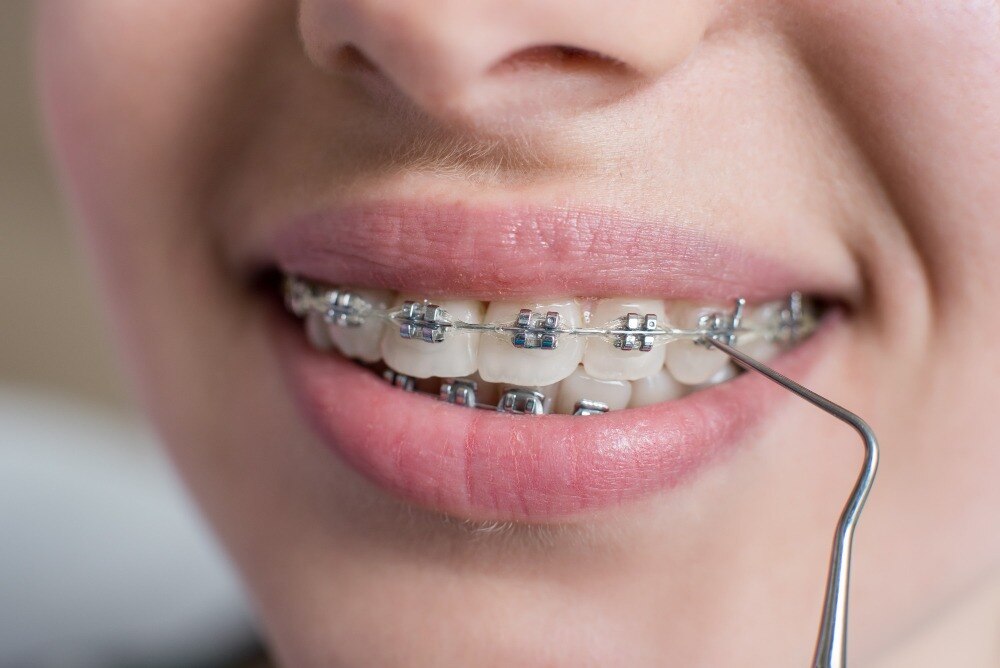
| Metal fixed braces | Most visible; no bracket staining | Strong, but remains attached, so hygiene is your responsibility | Often the most versatile for rotations, vertical correction, elastics and severe crowding |
| Ceramic fixed braces | Less noticeable, but brackets and elastic modules are still visible | More brittle; coloured foods and smoking can stain elastic modules | Handles many fixed-brace movements, but bracket choice depends on the forces required |
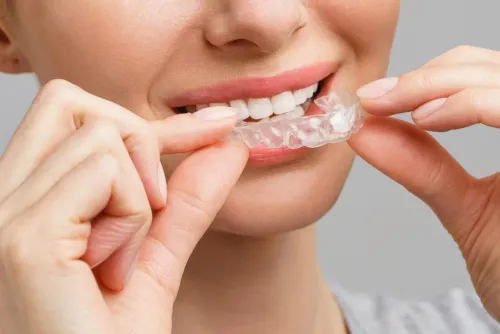
| Aligners | Least noticeable when worn | Removable, but you must wear them for the prescribed daily hours and change trays on schedule | Suitable for selected cases; attachments, elastics or fixed braces may be needed for difficult bite correction |
Aligners suit someone who can remove trays for meals, clean their teeth after eating and remember them during meetings or travel. Forgetting them repeatedly can extend treatment. Ceramic braces suit public-facing professionals who want a quieter appearance without relying on removable appliances.
For adult fixed braces in Diva, ask the orthodontist to show which movements your records require and whether ceramic brackets change the plan. Sai Dental, Implant And Orthodontic clinic can be one place to compare the appliance recommendation with your work schedule, hygiene routine and bite complexity.
The practical choice for fixed braces for working adults in Diva is often ceramic for moderate cases and metal for demanding movements, but your bite—not the bracket’s appearance—should decide.
Related service
Fixed Orthodontic Treatments often referred to as braces, are dental appliances used to correct misaligned teeth and jaws. View service → |
What must you maintain after the braces come off?
Retainers are part of fixed-brace treatment, not an optional cosmetic afterthought. Teeth can shift after removal, so your orthodontist may prescribe a removable retainer, a bonded retainer behind the teeth, or both. Long-term, often lifelong, wear keeps the result stable; stopping because your smile looks straight can undo months of treatment.
Ask before you start about:
- How many hours per day you will wear a removable retainer
- How often a bonded retainer needs checking
- The replacement cost if a retainer cracks, warps or is lost
- How frequently retention follow-up appointments will occur
Your result also depends on daily maintenance. Clean around bonded wires carefully, attend review visits and report a loose retainer, shifting tooth or broken wire promptly. Ignoring a small failure can allow movement before you notice it.
Adults with gum recession, reduced bone support or previous periodontitis need periodontal monitoring during retention. Orthodontic movement through thin supporting bone can worsen recession, so ongoing gum care matters after treatment too.
For someone considering fixed orthodontic treatment adults in Diva, the sensible choice includes a retention plan that fits work, travel and shift patterns. Anyone comparing orthodontic treatment for working adults in Diva should ask whether they can maintain the appliance and attend follow-up for years, not just manage the braces during office hours.
Frequently asked questions
Can adults in Diva safely undergo fixed braces?
Yes, when the teeth, gums and supporting bone can tolerate controlled movement. Age alone does not rule out treatment, but decay and untreated gum disease must be addressed first.
How much time do fixed braces take from a working adult’s schedule?
Treatment requires regular adjustment appointments alongside daily cleaning and careful food choices. Plan visits with your orthodontist around work commitments and ask how long each appointment will take.
What do fixed braces feel like at work?
You may experience soreness after fitting or adjustments, along with rubbing from brackets and temporary speech changes. Orthodontic wax, softer foods and good planning can make the first few days easier.
What must you maintain after fixed braces come off?
Wear the prescribed retainers and attend follow-up checks. Retainers help prevent teeth from shifting after active orthodontic treatment ends.
Keywords