Severe pain, facial swelling, dental injuries, abnormal tooth loss and changes in a child’s bite need more than watchful waiting. By the end, you will know which signs require same-day care, what to do before the appointment, how baby teeth are assessed, and which treatment decisions depend on the child’s tooth and stage of development.
Key takeaways
- Seek same-day care for swelling, abscesses, severe pain, bleeding, or dental injuries.
- A loose baby tooth is normal; pain, swelling, or delayed loss needs assessment.
- Do not delay care for broken teeth, persistent toothache, or a knocked-out tooth.
- Ask about examination findings, X-rays, treatment choices, and follow-up before agreeing to care.
When a Child’s Tooth Problem Needs Same-Day or Emergency Care
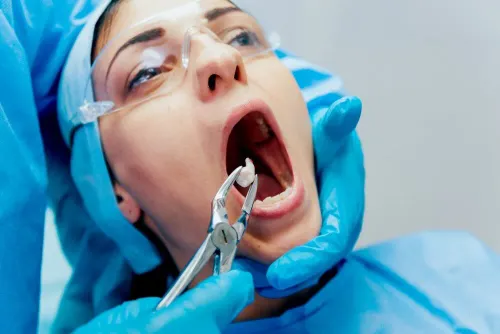
Severe or persistent toothache, facial swelling, a gum lump or dental abscess, a broken tooth with sharp edges or exposed inner tissue, mouth injuries, persistent bleeding, and any knocked-out tooth need same-day dental advice. Families searching child tooth problems pediatric dentist in diva should choose a clinic that handles pediatric pain and trauma.
| Situation | Action |
|---|---|
| Severe pain, abscess, broken tooth, mouth injury or persistent bleeding | Arrange urgent pediatric dental care today |
| Knocked-out permanent tooth | Seek immediate dental care |
| Knocked-out baby tooth | Do not replant; obtain prompt dental advice |
| Swelling toward the eye or neck, fever, trouble swallowing, breathing difficulty, dehydration, rapidly worsening swelling or uncontrolled bleeding | Go to emergency medical care |
For bleeding, press clean gauze firmly on the area. Use a cold compress outside the cheek for swelling or injury, and do not place aspirin on the gum.
If a dirty tooth was injured, rinse it gently with milk or saline. Do not scrub the root. A permanent tooth can be placed back in its socket only when it is safe and the child can cooperate; never force it. If replantation is unsafe, keep it in milk or saline and seek care immediately.
A baby tooth must not be replanted because it can injure the developing permanent tooth.
Swelling that spreads, fever, dehydration, breathing trouble or swallowing difficulty signals medical danger, not a routine dental wait. Dental treatment is still needed because antibiotics alone do not remove an infected tooth or drain an abscess.
Normal Baby-Tooth Loss Versus a Problem That Needs Assessment
A loose baby tooth is usually normal exfoliation when it becomes wobbly near the expected age of replacement, with no swelling, pus, significant pain or recent injury. The pattern matters more than the wiggle alone.
| Sign | Normal exfoliation | Needs assessment |
|---|---|---|
| Timing | Loose near the expected replacement stage | Lost unusually early or remains for much longer than expected |
| Symptoms | No swelling, pus, significant pain or injury | Decay, infection, trauma, enamel weakness or gum disease |
| Eruption pattern | Permanent tooth follows normally | Missing, extra, crowded, blocked or wrongly positioned teeth |
An early missing primary tooth can let neighbouring teeth drift into its gap and reduce room for the permanent successor. A space maintainer is not automatic: the decision depends on which tooth was lost, the child’s dental age, existing space loss, development of the permanent successor and the family’s ability to attend follow-up visits.
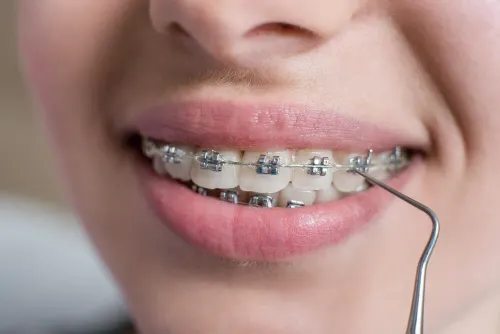
Arrange an assessment for early or unusually delayed tooth loss, missing or extra teeth, crowding or eruption problems. An orthodontic screening by about age seven can identify crossbite, severe crowding, protruding incisors, jaw-growth differences and harmful oral habits.
Early orthodontic treatment is not necessary for every child; some alignment problems are better treated after more permanent teeth erupt.
A pediatric dentist in Diva can distinguish routine shedding from disease or an eruption problem and decide whether observation, treatment or monitoring is appropriate.
Common Kids’ Dental Problems That Should Not Wait
A white or brown spot on a child younger than six deserves examination, even if it looks tiny and causes no pain. Early childhood caries includes decay, fillings, or teeth lost because of caries; cavities between baby teeth can hide from the front.
Frequent or night-time exposure to milk, formula, juice and other carbohydrate-containing drinks increases risk, especially with a bedtime bottle or repeated sipping from a cup.
Arrange assessment for these kids dental problems in Diva:
- Enamel defects, tooth sensitivity, gum swelling, or a recurring bad taste
- Thumb-sucking that changes the bite, crowding, or teeth erupting in the wrong position
- A sports or play injury, chipped tooth, loosened tooth, or darkening after a knock
- Decay in a baby tooth, including a small visible mark or pain when eating
Baby teeth still need treatment. Untreated decay can cause pain, infection, poor sleep, eating difficulty, missed school, reduced quality of life, and loss of space needed by permanent teeth. Do not wait for severe pain.
Use water between meals and never put a child to bed with a bottle. Brush twice daily with a smear or rice-grain amount of fluoride toothpaste under age three, and a pea-sized amount from age three through six; supervise brushing and limit swallowing. A small mark can still require prompt examination.
How a Pediatric Dentist Decides What Treatment a Child Needs
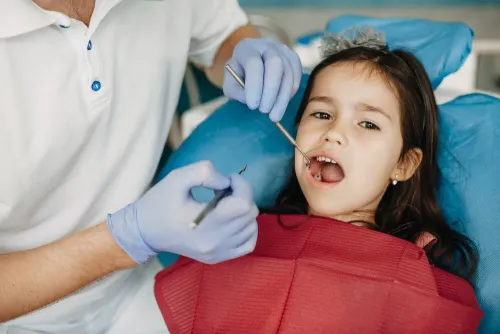
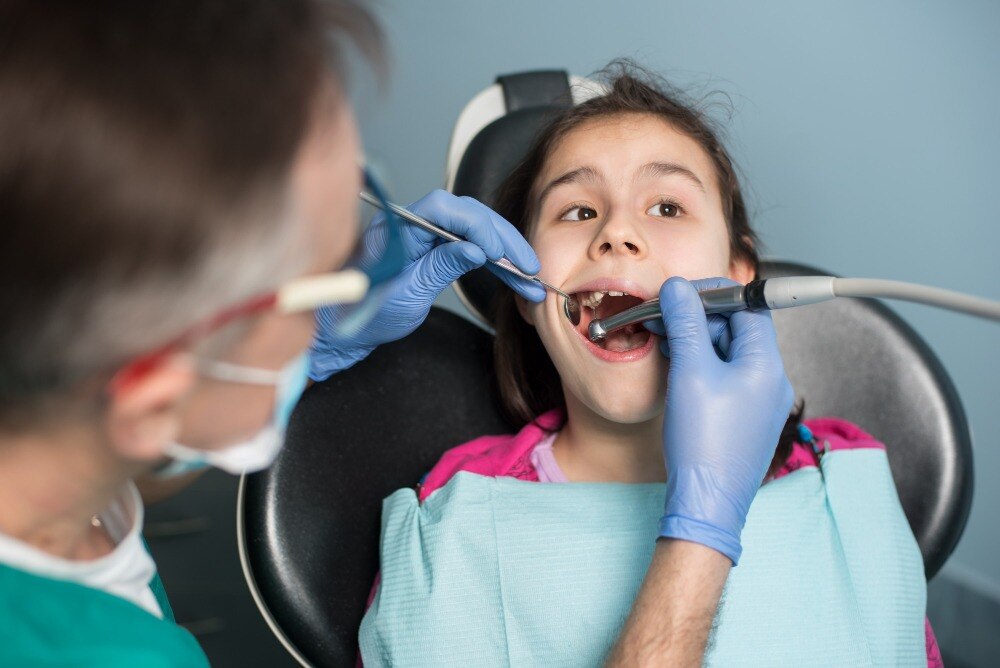
Treatment starts with medical and dental history: illnesses, medicines, allergies, previous injuries, pain, eating and sleep changes, and earlier treatment. The dentist then checks each tooth visually, the gums, bite, jaw growth and eruption pattern.
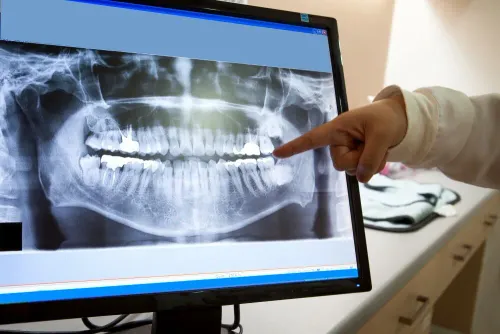
Age-appropriate X-rays are taken only when their result will change treatment, such as revealing decay between teeth, root damage or an unerupted tooth. Behaviour guidance lets the clinician explain, show and safely complete care.
| Finding | Possible treatment | When it applies |
|---|---|---|
| Prevention risk | Fluoride varnish or sealants | Sound teeth with high decay risk |
| Limited decay | Filling | Enough healthy tooth remains |
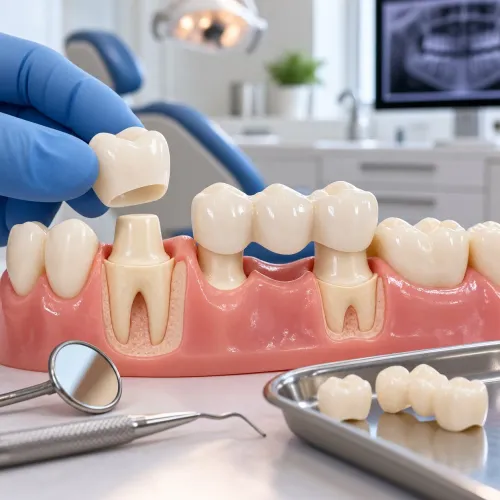
| Weak or multisurface primary molar | Stainless-steel crown | A large filling would leave the tooth fragile |
| Affected pulp | Pulpotomy or pulpectomy | The pulp is inflamed or infected but the tooth can remain |
| Dental injury | Trauma management | A tooth is chipped, displaced, loosened or fractured |
| Unsavable or obstructing tooth | Extraction | Restoration is impossible or eruption is blocked |
| Premature tooth loss | Space maintainer | Only when meaningful space reduction is likely |
A badly damaged baby molar is not automatically extracted. Restorability, remaining root structure, pulp status and time until natural exfoliation guide the choice between a filling, crown, pulp therapy or extraction.
Sedation is a separate safety decision, not the treatment: nitrous oxide, oral or intravenous sedation and general anesthesia differ in consciousness, monitoring, contraindications and recovery. The clinician reviews medical history, fasting instructions, airway risk, medicines and post-procedure supervision. Ask a clinic offering child dental treatment near Diva how it makes these decisions.
Choosing Prompt Child Dental Care in Diva
Call a pediatric dentist in Diva as soon as your child has pain, swelling, trauma, abnormal eruption or early tooth loss. Ask these questions before booking:
- Does the clinic assess acute pain, facial swelling, mouth injuries, knocked-out teeth and dental abscesses?
- Can the clinician examine both baby teeth and permanent teeth, including delayed or abnormal eruption?
- How does the team use behaviour guidance to help an anxious or uncooperative child?
- Who triages urgent problems after hours, and where should you go if the clinic is closed?
| Question | Why it matters | What to confirm |
|---|---|---|
| Child-focused examination | Children need age-appropriate assessment, not an adult appointment shortened for them. | Time for history, bite, eruption and preventive checks |
| Emergency response | Delays can worsen infection or reduce the chance of saving an injured permanent tooth. | Same-day availability and after-hours instructions |
| Follow-up plan | Early tooth loss, trauma and eruption problems need review. | Named clinician, review date and contact method |
Bring the child’s medication list, medical history and previous dental records. For an injury, write down when it happened, whether a tooth was knocked out, and how you stored it.
Start a dental home when the first tooth erupts and no later than 12 months. Early visits can detect feeding-related decay, enamel defects, eruption issues and preventive needs before pain begins.
Families comparing child dental treatment near Diva can consider Sai Dental, Implant And Orthodontic clinic when its availability, child-focused examination, emergency response and follow-up match the child’s needs.
Call promptly for pain, swelling, injury or abnormal tooth loss. Seek emergency medical care for breathing or swallowing difficulty, spreading swelling or uncontrolled bleeding.
Related service
Pedodontics Treatment Pedodontics, also known as pediatric dentistry, is a specialized field of dentistry focused on the dental health of children from infancy through... View service → |
Frequently asked questions
Which child tooth problems need same-day or emergency care?
Seek same-day dental advice for severe or persistent toothache, facial swelling, a gum lump or abscess, a broken tooth with sharp edges or exposed inner tissue, mouth injuries, persistent bleeding, or a knocked-out tooth.
How can you tell normal baby-tooth loss from a problem?
A baby tooth that becomes loose gradually and falls out without significant pain is usually normal. Arrange an assessment for swelling, persistent pain, bleeding, infection, a tooth that will not loosen, or a permanent tooth erupting before the baby tooth comes out.
Which kids’ dental problems should not wait?
Do not wait with toothache that continues, dental swelling, a visible abscess, a broken or displaced tooth, unexplained bleeding, or an injury affecting the lips, gums, or teeth.
How does a pediatric dentist decide what treatment a child needs?
The dentist reviews symptoms and dental history, examines the teeth and gums, checks the bite and injury, and orders dental X-rays when they are needed. The findings guide monitoring, preventive care, restoration, pulp treatment, extraction, or trauma follow-up.
How should you choose prompt child dental care in Diva?
Choose a clinic that can assess children’s pain, swelling, tooth decay, dental injuries, and knocked-out teeth promptly. Ask how to obtain same-day advice and what emergency instructions to follow before arrival.
Keywords