Age alone does not decide whether an older adult can receive implants. By the end, you will know which health, medication, oral-care and practical factors to review, when another tooth-replacement option may be safer, and what to ask during a consultation in Diva.
Key takeaways
- Age alone does not rule out dental implants; overall health and independence matter more.
- Share every medicine and medical condition before implant surgery planning.
- Complete oral checks and imaging before deciding on senior tooth replacement.
- Arrange help with meals, medicines and oral hygiene during early healing.
Age is not the deciding factor: health and independence are
There is no universal upper age limit for dental implants. An older adult can qualify when health, healing capacity, oral hygiene, jawbone, cognitive function and independence make surgery and long-term maintenance realistic. Chronological age alone does not decide candidacy.
For dental implants for older adults in Diva, the assessment should consider:
- Ability to understand instructions, clean around the implant and attend follow-up visits
- Frailty, balance, memory and whether a family member can help during recovery
- Diabetes control, heart or kidney disease, immune suppression, osteoporosis treatment, cancer therapy or previous head-and-neck radiation
- Tobacco use, because smoking raises the risks of failed integration and peri-implant disease
- Remaining bone and teeth, gum health, bite and the expected benefit compared with treatment burden
A controlled medical condition does not automatically exclude implants, but poor healing risk can change the plan. A clinician may request medical coordination, smoking cessation or treatment of gum disease before surgery. Do not stop warfarin, apixaban, rivaroxaban, clopidogrel or any other prescribed medicine without the prescribing doctor’s advice.
Implants are not automatically the best choice. A conventional denture, bridge, shortened dental arch or no replacement may suit you better when frailty, hygiene difficulties, surgical risk, cost or limited ability to attend maintenance outweigh the expected benefit. The decision should match your health and daily support, not your birth date.
Medical conditions and medicines can change the surgical plan
Uncontrolled diabetes, active cancer treatment, recent head-and-neck radiotherapy, immune suppression and previous medication-related osteonecrosis of the jaw require specialist review before implant surgery. These problems can slow healing, increase infection risk or make conventional implant treatment unsuitable.
| Condition or medicine | Why it matters | What the clinician may do |
|---|---|---|
| Diabetes, kidney disease or cardiovascular disease | Changes infection, healing, anaesthetic or bleeding risk | Check control, medical stability and any needed physician advice |
| Osteoporosis | Bone quality and antiresorptive treatment affect jaw healing | Review fracture treatment and choose timing and follow-up carefully |
| Head-and-neck radiotherapy or active cancer therapy | Radiation and cancer medicines can impair healing | Seek specialist clearance or delay treatment |
| Immunosuppressants or long-term corticosteroids | Can reduce immune response and alter wound repair | Adjust monitoring, timing or infection precautions |
| Warfarin, apixaban or rivaroxaban | Increases bleeding risk during surgery | Create an individual bleeding plan; never stop the medicine without the prescriber |
| Clopidogrel or aspirin | Helps prevent clots but can increase surgical bleeding | Confirm whether local haemostatic measures are sufficient |
| Alendronate or denosumab | Rarely associated with medication-related jaw osteonecrosis | Assess the drug, dose, duration and dental history before proceeding |
For dental implants for seniors in Diva, provide a complete medicine list, including inhalers, injections and non-prescription supplements. Report dry mouth, smoking, previous jaw problems and difficulty cleaning teeth. Do not stop a blood thinner, steroid or osteoporosis medicine yourself; an implant dentist and prescribing doctor must agree on the plan.
The pre-treatment assessment identifies problems to fix first
Before an implant is approved, the assessment checks whether your mouth, general health and daily routine can support surgery and long-term cleaning. It is not a quick X-ray appointment; it is a risk review designed to find problems that need treatment first.
An implant dentist for older adults in Diva should document:
1. Your medical history, including diabetes control, kidney or cardiovascular disease, osteoporosis, frailty, immune suppression, active cancer treatment and previous head-and-neck radiotherapy. Poorly controlled diabetes can delay healing, while radiotherapy or immunosuppression may require specialist planning.
2. Every medicine and supplement, including warfarin, apixaban, rivaroxaban, clopidogrel, alendronate and denosumab. Do not stop a blood thinner or bone medicine without instructions from the prescribing doctor; the dentist and doctor must coordinate the plan.
3. Tobacco use, gum bleeding, periodontal pockets, oral hygiene and your ability to clean around an implant. Smoking raises the risks of implant failure and peri-implant disease, so cessation support belongs in the assessment.
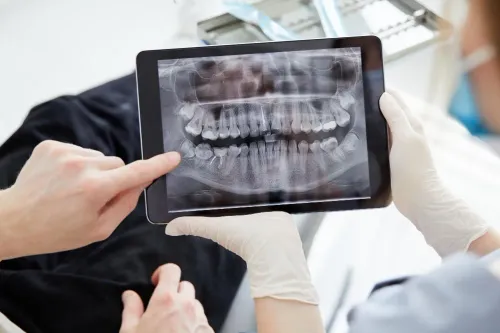
4. Remaining teeth, bite, jawbone volume and available space. A dental X-ray usually starts the evaluation; a three-dimensional CBCT scan is added when bone width, nerve position or sinus anatomy needs closer measurement.
Sai Dental, Implant And Orthodontic clinic should use these findings to compare an implant with a bridge, denture, shortened dental arch or no replacement, especially when hygiene, frailty or treatment burden makes surgery a poor trade-off.
Related services
Dental Implant A dental implant is a surgical component that interfaces with the bone of the jaw or skull to support a dental prosthesis such as a crown, bridge,... View service → |
Dentures & Dental Prosthics Dentures and dental prosthetics are devices used to replace missing teeth and surrounding tissues. View service → |
Plan for healing, temporary teeth and help at home
Allow roughly three to six months between implant placement and final teeth, although bone grafting can add months. During that period, you may wear a temporary denture or bridge, eat softer foods, and attend wound checks and adjustments.
Same-day teeth are not automatic: they require strong initial stability, suitable bone and bite conditions, plus careful control of chewing.
Travel planning matters as much as healing. Arrange transport for surgery and early reviews; do not assume you can drive after sedation. Ask for a written visit schedule covering scans, surgery, temporary teeth, fitting, final restoration and repairs.
- Identify who will accompany you home and stay nearby the first night.
- Arrange help with meals, cleaning, medication reminders and safe movement if pain, dizziness or poor vision limits independence.
- Confirm how you will reach each review from Diva, especially if several visits are needed.
- Ask whether a removable temporary denture will affect speech, chewing or sleep.
- Plan who will clean around implants long term if arthritis, tremor, reduced vision or memory problems make brushing difficult.
- Keep an emergency contact for bleeding, fever, worsening swelling or a loose temporary tooth.
For senior tooth replacement in Diva, an implant-retained overdenture supported by two lower-jaw implants can be easier to manage than a loose complete denture, but it still needs appointments, cleaning and future relining or repair. Build those travel and support demands into the decision.
Recovery and lifelong maintenance determine whether implants remain suitable
After surgery, expect tenderness, swelling and a soft-food diet for several days. Follow the prescribed pain-relief and cleaning instructions, and avoid smoking during healing because tobacco raises the risk of implant failure and peri-implant disease. The implant may need several months to bond with the jawbone before the final crown, bridge or denture is fitted.
Arrange help with these recovery tasks:
- Keep the surgical area clean without disturbing it.
- Attend reviews so the dentist can check healing and adjust temporary teeth.
- Contact the dental team promptly for worsening pain, swelling, fever, pus, bleeding that will not stop or a loose implant.
Long-term success depends on daily plaque control, not just the operation. Brush twice daily with a soft brush; an electric toothbrush can help if arthritis, tremor or reduced vision makes manual brushing difficult. Clean around the implant with floss designed for implants, interdental brushes or a water flosser, following professional instruction.
Book lifelong maintenance visits for examination, professional cleaning and X-rays when indicated. Peri-implant mucositis can progress to peri-implantitis, causing inflammation and supporting-bone loss without early care. Ask who will assist with cleaning and transport if needed, and confirm how future repairs will be handled.
These practical arrangements can determine whether dental implants for older adults in Diva remain suitable. The same applies when comparing dental implants for seniors in Diva with a bridge, denture or no replacement.
Frequently asked questions
Are dental implants suitable for older adults in Diva?
Yes, when the person can undergo surgery, heal adequately, maintain oral hygiene and manage long-term care. Age alone is not an exclusion.
Which medical conditions and medicines affect dental implant treatment?
Conditions affecting healing, bleeding, immunity, or bone health can change the plan. Give the dental team a complete list of medicines and ask whether medical coordination is needed.
What happens during a pre-treatment assessment for senior tooth replacement?
The assessment reviews general health, medicines, oral hygiene, gums, remaining teeth, jawbone, bite, cognitive function and independence. It identifies infections, gum disease or bone problems to address first.
What help is needed after implant surgery?
Plan transport, soft meals, medicine reminders, oral-hygiene support and help with daily tasks while the surgical site heals. The dentist will explain temporary teeth and activity limits.
How do older adults maintain dental implants after recovery?
Brush around the implant, clean between teeth as instructed, attend maintenance visits and report pain, looseness, bleeding or changes in the bite promptly.
Related service
Dental Surgical Extraction A dental surgical extraction is a procedure performed by a dentist or oral surgeon to remove a tooth from the mouth. View service → |
Keywords