

A persistent toothache can make eating, sleeping, and even concentrating difficult. While temporary sensitivity may settle on its own, ongoing pain can sometimes indicate inflammation or infection inside the tooth. In such situations, Root Canal Treatment in Diva Thane may be considered to remove the infected tissue while preserving the natural tooth.
A root canal is not simply a treatment for tooth pain. Its purpose is to clean and seal the internal portion of a tooth when the pulp has become inflamed, infected, or damaged.
Why Does a Tooth Need Root Canal Treatment?
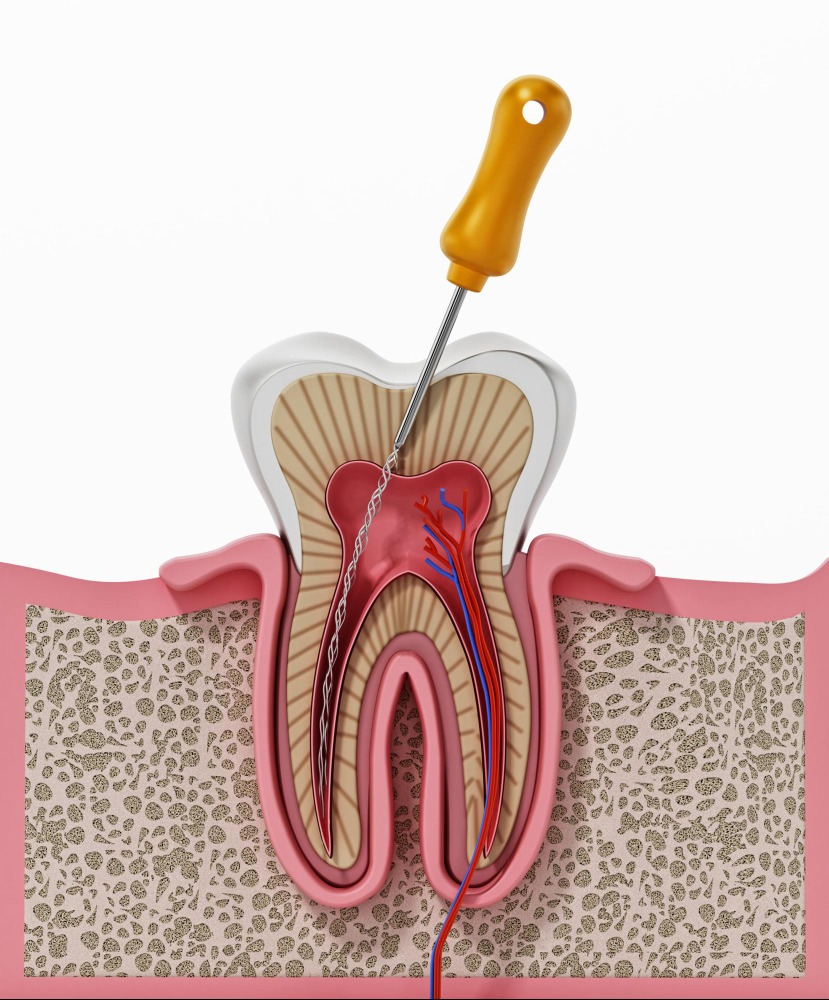
Every natural tooth has an inner chamber containing pulp tissue, nerves, and blood vessels. Deep decay, cracks, trauma, or repeated dental procedures can allow bacteria to reach this inner area.
Common warning signs include:
- Persistent or throbbing toothache
- Pain while biting or chewing
- Prolonged sensitivity to hot or cold foods
- Swelling around the affected tooth
- Tender or swollen gums
- A small pimple-like swelling on the gum
- Darkening or discoloration of a tooth
Interestingly, an infected tooth does not always remain painful. If the nerve tissue loses vitality, pain may temporarily decrease even though infection remains. This is one reason dental examination and imaging are important.
What Happens During Root Canal Treatment?
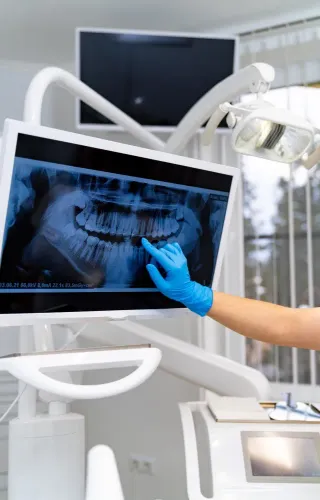
Treatment generally begins with a clinical examination. A dental X-ray may be taken to evaluate the roots, surrounding bone, and extent of infection.
The dentist then accesses the internal canals of the tooth and removes infected or damaged pulp tissue. The canals are carefully cleaned, shaped, disinfected, and filled with an appropriate sealing material.
Depending on the condition of the tooth, treatment may be completed in one or more appointments.
After root canal therapy, the tooth may require a permanent restoration. Teeth that have lost substantial structure can sometimes benefit from a dental crown to improve protection during chewing.
Root Canal or Tooth Extraction?
Patients sometimes assume that removing a painful tooth is easier than treating it. Extraction may indeed be necessary when a tooth cannot reasonably be restored, but retaining a functional natural tooth is often preferable when its condition allows it.
Saving a tooth can help maintain:
- Natural chewing function
- Jaw alignment
- Support for neighboring teeth
- Normal appearance
- Existing bite relationships
If a tooth is removed, the resulting space may eventually require replacement with an implant, bridge, or another suitable option.
The decision should therefore depend on the actual condition of the tooth rather than pain alone.
Can Root Canal Treatment Be Avoided?
Not every cavity requires root canal therapy. Decay detected before it reaches the pulp may often be managed with a filling or another restorative procedure.
Regular dental examinations can help identify cavities, cracked restorations, and other concerns before they become more complicated.
For people in Diva and surrounding areas of Thane, Maharashtra, seeking evaluation when discomfort first develops can make a meaningful difference in the available treatment choices.
What Should You Expect After Treatment?
Some tenderness around the treated tooth may occur for a short period, particularly if there was significant inflammation before treatment. Patients should follow their dentist's instructions regarding oral hygiene, eating, medications if prescribed, and follow-up restoration.
A root canal-treated tooth still requires normal brushing, flossing, and periodic dental examinations.
At Sai Dental, Implant and Orthodontic Clinic, evaluation focuses on determining whether the tooth can be predictably restored and what treatment is appropriate for its condition. The important step is obtaining a diagnosis rather than waiting for severe pain.
Early assessment of persistent toothache, sensitivity, swelling, or chewing discomfort can help patients understand whether a simple restoration, root canal treatment, or another approach is required.